


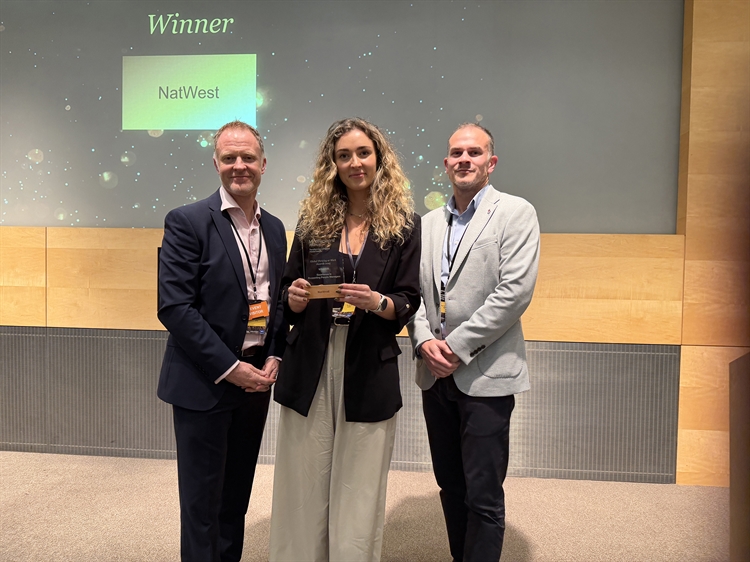
NatWest recognised the significant impact of cancer on both colleagues living with the disease, and those caring for someone with it. Data showed that cancer had an impact across the bank, resulting in loss of workdays and cost to the business.
The bank took actions and, as part of NatWest’s Working with Cancer Pledge the organisation upskilled line managers through specialised cancer training and toolkits, equipping them with the knowledge, confidence and skills to support colleagues affected.
How it works?
NatWest adopted a ‘train the trainer’ model in partnership with Macmillan Cancer. The bank launched an internal search for 30 volunteer trainers on World Cancer Day, with the aim of recruiting colleagues who had personal or caregiving experience of cancer. This peer-led approach ensured that when training was delivered to managers it was authentic and relatable. The “train the trainer” model also built internal capability and reduced reliance on external trainers.
Since June 2024, 30 passionate trainers have delivered 90-minute virtual sessions to around 1000 line managers and colleagues, helping them build the confidence and skills to support employees affected by cancer.
The programme covers a wide range of topics, including cancer and its side effects, workplace impact, communication strategies, caregiver support, reasonable adjustments, relevant legislation, and available resources. It also explores the evolving nature of cancer as a disease, its emotional and psychological effects, and the importance of fostering a supportive work environment for colleagues who are affected.
The training points to organisational policies on employee absences and support – such as sickness absence, carers’ leave, holiday entitlement, long-term disability, flexible working, and workplace adjustments. It also highlights legal responsibilities and practical steps for implementing reasonable adjustments to ease the pressure on affected employees. The training helped managers learn how to foster open dialogue and psychological safety, approaching sensitive issues with compassion.
Participants are also signposted to key resources such as the Macmillan Support Line, the Employee Assistance Programme, and internal policies – creating a comprehensive and sustained support network. On completion, attendees receive a Work and Cancer Toolkit to reinforce their learning.
Aligned with NatWest’s Prevention is Better Than the Cure strategy for 2025, the initiative also promotes proactive wellbeing through education on lifestyle choices that can reduce cancer risk. By integrating these resources into the toolkit, the bank continues to support early intervention and long-term health awareness across the organisation.
Positive impact
Feedback from managers has been overwhelmingly positive, with 71% rating the training as “Excellent”. Participants described the training as engaging, supportive, valuable, and thought-provoking.
One attendee shared:
I'm all about practical measures rather than just theory – and a great part of the session was the discussion on real, practical measures we could implement to support colleagues going through this challenging time.
Another said:
The training brought to life that every situation is unique so it’s not a ‘one size fits all’ approach, helping colleagues feel more equipped and confident to handle such situations should they arise.
The peer-led model – delivered by trainers with a personal experience of cancer – grounds the programme in authenticity and lived experience. The training has enabled managers to respond with confidence and compassion to colleagues living with cancer or caring for someone affected by it. More generally it has empowered managers to lead with empathy and foster psychologically safe, inclusive team cultures where wellbeing is prioritised.
The future – scalability and sustainability
The Managing Cancer in the Workplace programme has been designed for long-term impact and scalability. In 2025, NatWest expanded access to the training to all colleagues, recognising that the responsibility for supporting colleagues affected by cancer goes beyond line managers.
The virtual format allows for flexible delivery across locations, and the bank plans to scale the programme globally. While the current content is UK legislation-based, it is being adapted to reflect local laws and cultural contexts to ensure relevance and impact across other regions.