


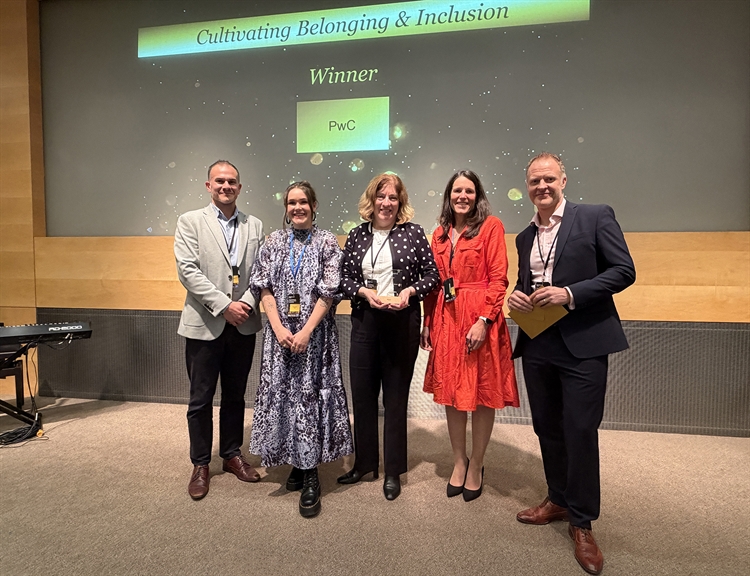
With a workforce of 22,000 people across multiple offices in the UK, PwC uses a structured, community-driven approach to build inclusion so that everyone feels they belong, are supported, can be themselves, and share their perspectives.
How it works?
At the heart of the approach are fourteen dedicated People Networks, each representing and supporting different communities across the firm. These are the PwC Christian Network, Hindu Network, Jewish Network, Muslim Network, Sikh Network, Black Network, East and South-East Asian Network, South Asian Network, Disability Awareness Network (DAWN), Gender Balance Network, Military Network, Shine (LGBTQ+ Network), Social Mobility Network, and SPACE (Supporting Parents Carers and Everyone Else Network). The 14 People Networks are vital to inclusive growth and play a prominent role in reflecting and promoting PwC’s values and culture. Their purpose is to:
- Create a sense of community and belonging for our people
- Inspire and support diverse talent by supporting our inclusion strategy
- Support our reputation by raising awareness of our diversity and broader inclusion agenda with our colleagues, communities, and clients.
Within some of the People Networks, smaller “Connections” groups have been established to address more specific lived experiences. For example, within DAWN, there are focused groups on gynaecological conditions, diabetes, energy limiting conditions, and chronic pain. Similarly, the SPACE Network supports parents and carers through groups such as Childless Not by Choice, and Divorce communities.
These Networks and Connections groups play a vital role in creating safe spaces for open dialogue, connection through shared experience, and mutual support.
Activities and collaboration
The People Networks’ day-to-day activity includes informal mentoring, peer-to-peer support for new joiners, awareness-raising through education and events, and engagement with relevant expert partners and networks outside the firm. External collaborations include the Mission Include mentoring programme with Moving Ahead, campaigns with the Business Disability Forum and the Change the Race Ratio Campaign.
The Networks also identify and deliver tailored support that reflects the needs of their members. For instance, the PwC Black Network hosted an event exploring the value of therapy within the Black community, featuring a talk by an expert Black therapist. Also, PwC’s Disability Network (DAWN) supported the firm’s development of a brand new ‘Great Minds (Don’t Think Alike) training to help upskill teams with knowledge and awareness to support disability inclusion within the workplace.
The networks also continue to raise awareness and celebrate many of the key dates in the inclusion calendar to bring our people together, connect and build community within the firm.
Influencing culture and strategy
Beyond the day-to-day activity and peer support, the Networks play a key role in influencing PwC’s broader culture, inclusion and wellbeing strategy.
During Mental Health Awareness Week 2025, PwC hosted an intersectional panel on mental health and community, featuring representatives from five Networks. The discussion highlighted both the shared and unique experiences across different groups, deepening collective understanding and empathy, with positive feedback from attendees.
Network members collaborate regularly with PwC’s Inclusion, Culture and Wellbeing teams, sharing insights and feedback to inform the firm’s continuous improvement efforts. For example, insights from a Shine Network survey directly influenced the development of PwC’s LGBTQ+ strategy. This helps to ensure the firm’s overall people strategy remains grounded in employee experiences.
Structure, support, and governance
Given their size (one People Network has 3,000 members) and influence, the People Networks have a clear governance structure. Each is run by a committee of volunteers and is sponsored by a senior partner, who champions the Network within the business. Operational support comes from the People Network lead within the Inclusion, Engagement and Culture team, who sets strategic direction and ensures alignment across all networks. PwC regularly reviews each Network’s structure and impact, ensuring they remain relevant and continue to meet their agreed goals and support the business priority of inclusive growth.
The firm also measures the experience and wellbeing of communities represented by the Networks through its bi-annual staff engagement survey, providing both quantitative and qualitative insights to shape the future direction of the Networks.
Strengthening inclusion beyond the Networks
While the People Networks are central to PwC’s culture of belonging, the firm acts in many other ways to strengthen inclusion and wellbeing, including:
- The appointment of 25 Mental Health Advocates, including senior partners and directors, who visibly champion the wellbeing agenda. This group reflects the diversity of PwC’s workforce, building trust and relatability.
- PwC has a Shadow Leadership Team, which is made up of a diverse group of individuals from across the business who shadow the Executive Committee. This reinforces the accessibility of senior leadership roles and demonstrates that progression opportunities exist for everyone.
Positive impact
The impact of the People Networks is consistently reflected in employee feedback. Members often describe how their participation has enhanced their sense of wellbeing and connection. Within the Cancer Connections Group, for example, participants have shared that being part of the community has been “invaluable,” “extremely validating,” and essential to feeling “seen” while navigating cancer at work.
Quantitative data also supports this. For example, PwC’s bi-annual people survey shows that Asian and Black employees report higher-than-average wellbeing scores, indicating that the firm’s inclusive approach is having a measurable positive effect.
Through its People Networks, PwC UK has built a structured community model that plays a significant role in supporting inclusion, wellbeing and a strong sense of belonging.